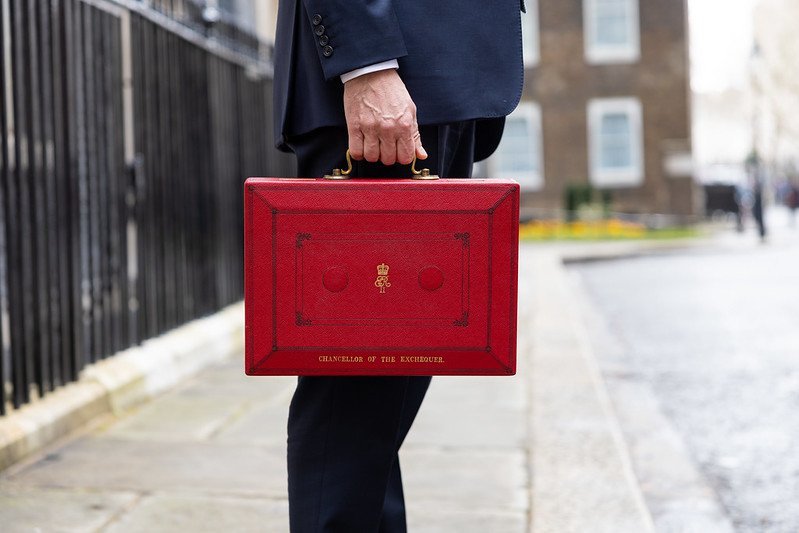
The Autumn Budget 2026 has arrived and Chancellor John Healey has unveiled measures aimed at entrepreneurs, high street businesses and growing firms. But with economic growth set to slow down next year, will this year’s Autumn Budget give SMEs the confidence they need to invest and grow?
The Autumn Budget has put entrepreneurship and regional growth on the agenda, with new tax reliefs for start-ups, backing for female founders and changes to business rates among the headline announcements. There’s also fresh support for AI, alongside measures affecting wages, business exits and local investment.
For business owners, however, the question is whether these measures will translate into meaningful change when costs remain a concern and the economic outlook is uncertain.
Here are eight early takeaways from the Autumn Budget.
1. New £3,000 trading allowance for budding entrepreneurs
Healey has announced plans to raise the tax-free trading allowance from £1,000 to £3,000, giving people more scope to earn money from a new venture before paying tax on that trading income.
The increase might make it easier for aspiring entrepreneurs to test a business idea, build an initial customer base and generate revenue without immediately facing a tax bill.
For people starting a business alongside other commitments, the higher threshold offers a little more room to experiment before taking the plunge full-time.
2. Young founders to receive financial support
A new young entrepreneurs allowance will cover a year of living costs for young founders while they turn their ideas into businesses. This aims to address one of the practical barriers to starting a company: the need to cover personal expenses before a new venture generates enough income to support its founder. This signals an ambition to widen access to entrepreneurship and help more founders progress from an initial idea to a sustainable, growing business. Healey has also announced a new scale-up programme for female founders, adding that the British business bank will double its commitments to women-led businesses in funds to £200m.
3. Founders’ relief offers a lower tax rate on business exits
Healey has announced a new founders’ relief, offering a 10% rate on lifetime gains of up to £10m for founders of Britain’s most successful firms. The idea is to reward entrepreneurial success and encourage founders to remain in the UK rather than take their businesses and wealth elsewhere.
For entrepreneurs planning an eventual sale, the tax treatment of their exit can influence decisions about investment, growth and where they choose to build their business. The new relief could provide a significant incentive for eligible founders. There is a counterpoint, however: the chancellor is also reducing the threshold for business asset disposal relief in capital gains tax from £1m to £500,000. The government says this will leave three in four claimants unaffected, but the change will matter to some.
4. Business rates cut for 70,000 businesses
Healey has announced that the threshold for small business rate relief for retail, hospitality and leisure businesses will rise from a rateable value of £12,000 to £18,000. The government says this will take 70,000 businesses out of paying business rates altogether. This will likely be welcomed by high street businesses facing pressure from rent, staffing and other operating costs. However, the threshold had been frozen since 2017 and would have reached nearly £18,000 had it risen in line with inflation. The announcement therefore restores some of the purchasing power lost over time, rather than representing an entirely new benefit of the same scale. The government says the relief will be funded through higher taxes on gambling.
5. AI investment and new rules for UK data centres
The Budget includes an additional half a billion pounds for AI safety and security, alongside a new deal for UK data centres. Under the proposed British data centre covenant, operators will have to meet strict tests. For businesses, the combination of AI investment and infrastructure development could create opportunities to improve productivity, develop new services and compete in emerging markets. But the focus on data security and domestic infrastructure also highlights the importance of trust, governance and responsible adoption as companies increasingly rely on AI.
6. Minimum wage rises by 3.9%
Workers aged 18 to 20 will receive a 3.9% pay rise, matching the increase for those aged 21 and over.
The announcement follows two years in which the minimum hourly wage for 18 to 20-year-olds rose by a combined 26%. Higher pay will benefit younger workers, but employers must also consider the effect on payroll budgets, particularly in sectors that employ large numbers of people on lower wages. For SMEs already balancing recruitment needs against tight margins, the increase adds another consideration to workforce planning. Employers will need to review pay structures and ensure budgets account for the change. The wider challenge is balancing better pay for workers with the need to maintain hiring, investment and business growth.
7. Business rates revenue to be devolved to local leaders
The chancellor has outlined a plan for fiscal devolution, with 100% of business rates set to be retained locally by the end of the decade. From next year, 20% of business rates revenue will go to mayors. From 2028, mayors will also receive a share of income tax receipts. Mayors and some other local authorities will gain additional powers from 2028 to introduce overnight visitor levies. Healey describes the measures as the biggest wave of devolution in a generation, designed to drive growth across the country. For businesses, greater local control could mean investment decisions better tailored to regional needs, from transport infrastructure to town centre regeneration. But the overall benefits will depend on how effectively local leaders use their additional funding and powers.
8. Regional investment gets a boost
The Budget also includes targeted investment intended to support innovation and economic development beyond London. Among the announcements are £10m for a new market hall in Stafford and £2.5m for a science park in north Wales. Devolved governments will receive equivalent funding.
Healey argues that the UK could significantly increase its growth potential if more of its cities matched the economic performance of counterparts in France and Germany. New Good Growth Funds for mayors and incubator capital for areas without mayors are intended to help local leaders turn regional opportunities into tangible projects. For businesses, the potential benefits include better infrastructure, stronger local supply chains and improved access to commercial opportunities. The test will be whether these investments translate into sustained private-sector growth and new jobs.
Growth outlook remains uncertain
The Office for Budget Responsibility (OBR) has upgraded its forecast for UK GDP growth this year to 1.2%, better than its March outlook. However, growth is expected to slow to 1% next year, down from the previous forecast of 1.6%. For business owners, that soon-to-be slowdown matters. Slower growth can make it harder to win new customers, justify investment and recruit with confidence, even when individual tax or funding measures offer some support. The Budget sets out ambitions to encourage entrepreneurship, strengthen regional economies and promote innovation. Whether those ambitions translate into stronger business performance will depend on how effectively the measures are delivered.
For SMEs, the message is mixed: there are new opportunities for founders and targeted relief for some high street businesses, but the broader challenge of growing in an uncertain economy is the real challenge.