Small-to-medium businesses have ambition. But what they need from the Autumn Budget is the room to act on it.
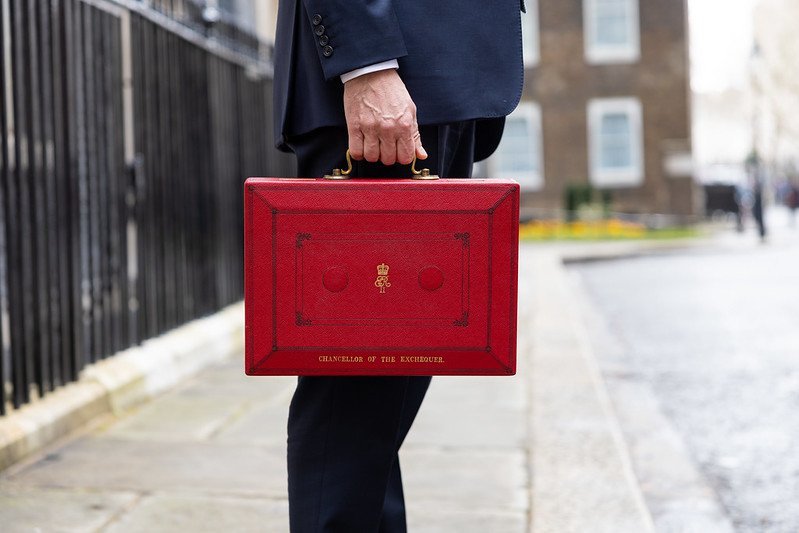
On 28 October, Chancellor John Healey will deliver his first Budget under Prime Minister Andy Burnham, with the fallout from the Iran war squeezing public finances and leaving little room for giveaways.
For SMEs facing staffing costs, unpredictable bills and tight margins, the question is how much help they will get.
The anxiety is clear. The British Chambers of Commerce’s latest quarterly survey found that 52% of businesses cited taxation as a concern. More than 4,300 firms responded, 92% of them SMEs.
So what would make a difference? Real Business asked three business owners for their predictions and wish lists ahead of the Autumn Budget. What unified their responses was a desire to grow.
1. “Small suppliers should not be expected to finance significantly larger customers” – Eugene Patterson, co-founder of Revibed.
For Eugene Patterson, growth starts with cash flow. A business can have customers ready to buy and still struggle to scale if payments arrive late and hiring costs swallow available funds.
“As the co-founder of a growing British food and drink business, my hope is that the Budget gives SMEs the confidence and financial headroom to invest, employ people and scale.”
His wish list is practical: targeted relief for SMEs making their first few hires, better access to working capital, manufacturing grants and incentives for healthier, innovative products developed in the UK.
He also wants stronger action on late payments as waiting for larger customers to settle invoices leaves small suppliers carrying a financial burden that could end their business.
He expects fiscal discipline to dominate the Autumn Budget, with targeted support over sweeping tax cuts. He thinks regional investment, access to finance and simpler business support could all feature.
His biggest concern is another increase in employment costs. As food and drink businesses already face expensive ingredients, manufacturing, packaging and logistics; additional taxes or compliance costs would make recruiting the people needed to grow even harder.
2. “Certainty is often more valuable than a new tax incentive” – Paul Beare, founder and CEO of Paul Beare Limited.
Paul Beare wants the UK to become the easiest major economy in which an overseas company can establish a genuine presence.
His accountancy practice helps international organisations set up and operate here, giving him a clear view of the administrative hurdles. Incorporation, tax registration, payroll, VAT and ongoing compliance all need to become simpler, he argues.
“The UK should compete with other countries not just on tax rates, but on the ease of setting up and running a business.”
Beare anticipates few major tax giveaways. Instead, he expects support to focus on investment, innovation and jobs where the government believes it can deliver measurable growth.
Capital gains tax is one area he is watching closely. He thinks the chancellor could raise rates, potentially bringing them into line with income tax, or abolish the annual exemption. He hopes neither happens. Higher taxes on eventual gains could affect investors’ exit plans and discourage companies from establishing or expanding a UK business. He wants a clearer direction on tax and regulation.
3. “Small businesses need stability and a coherent, long-term approach” – Peter McKenna, founder and CEO of WSI Digital Advisors
For Peter McKenna, business rates top his agenda. He describes the current system as archaic, unfair and detrimental to investment.
“We need a complete overhaul of the system, rather than another round of minor adjustments that fail to address the underlying problem.”
Energy bills are another priority for him. Unpredictable costs make planning difficult when margins are already thin. McKenna also expects greater revenue-generating powers for regional mayors, arguing that local leaders are well placed to support regional businesses.
“We need to give SMEs some breathing room if we want them to continue creating jobs and driving growth.”
His concern is that the Budget will deliver another patchwork of measures, each adding cost or complexity without a coherent plan.
On capital gains tax, he wants closer alignment with income tax, arguing that a fairer system should support productive investment and businesses that create jobs.
His wider wish list includes benefits reform that helps people move into employment, sustainable social care funding and regional thresholds if a mansion tax is introduced.
But his most immediate plea is for relief from the combined impact of minimum wage increases and higher employer National Insurance contributions.
“We need to give SMEs some breathing room if we want them to continue creating jobs and driving growth.”
Healey’s challenge is clear, to minimise the fiscal burden and balance the books while ensuring the UK’s majority small business economy have a reason to invest and grow.