High street bosses want the employer National Insurance threshold raised in the 28 October Budget, as a CBI survey finds rising labour costs are squeezing entry-level jobs and apprenticeships.
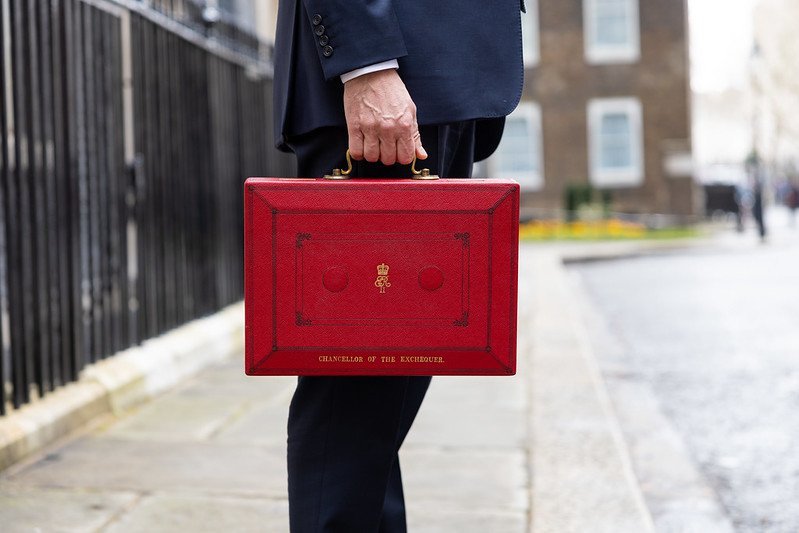
Some of the UK’s biggest retailers have asked Chancellor John Healey to make it cheaper to take on young and part-time staff when he delivers his first Budget on 28 October.
Bosses from Tesco, Marks & Spencer, Sainsbury’s, the Co-op and Costa Coffee met the Chancellor at Downing Street on Tuesday 13 October. Their main request was a partial reversal of Rachel Reeves’s cut to the employer National Insurance threshold, taking it from £5,000 a year back up to £6,000. They also pressed for business rates relief.
The meeting came a day after a Confederation of British Industry (CBI) survey found that employment costs are now the biggest threat to the UK labour market, with young people losing out first.
What retailers are asking for
Employers pay National Insurance on each worker’s earnings above the secondary threshold. In April 2025 that threshold was reduced from £9,100 to £5,000 a year, while the main employer rate rose from 13.8% to 15%.
The lower threshold hits retail and hospitality particularly hard because so many staff in these sectors work part-time. According to the British Retail Consortium (BRC), 55% of retail roles are part-time. It estimates the threshold cut alone added £1.74bn to retailers’ costs.
Raising the threshold to £6,000 would save employers up to £150 a year for each worker earning above it. Retailers argue that would make entry-level hiring easier and ease pressure on prices.
Helen Dickinson, chief executive of the BRC, said: “After whacking up retailers’ taxes by 20% in two years, including an extra £6.5bn in new employment costs, any new costs will be paid by consumers at the till and make it harder for retailers to create jobs.”
She said the meeting had covered “our shared ambition for growth and tackling youth unemployment”, and that Healey’s first Budget “is the chance to turn that ambition into action by easing costs, making tax fairer and unlocking investment”.
The jobs data backs up the warning. BRC analysis of Office for National Statistics (ONS) figures shows retail employment averaged 2.78 million jobs in the four quarters to June 2026. That is 62,000 fewer than a year earlier and 122,000 fewer than two years ago, with part-time retail employment at a record low.
Healey has vowed to ease the cost of doing business as energy bills rise, and a source close to the meeting said firms were optimistic on both National Insurance and business rates. “It felt like they were listening,” the source said.
Employers turning away from entry-level hires
The CBI’s survey of 682 firms, carried out in August and September, found that 73% now see employment costs as the top threat to the competitiveness of the UK labour market.
Only 15% of firms said they were confident about hiring, down from 24% in 2025. Some 44% said rising recruitment and onboarding costs were pushing them towards experienced candidates, cutting the number of entry-level openings for young people. More than half (53%) said wider cost pressures meant they were offering fewer apprenticeships than they would like.
“Higher employment costs and growing regulatory pressures are making firms more cautious about hiring and investment,” said Rain Newton-Smith, chief executive of the CBI. She called on the Government to use the Budget to rebuild business confidence.
The latest ONS figures show an estimated 981,000 people aged 16 to 24 were not in education, employment or training (NEET) between April and June 2026. That is 30,000 fewer than in the previous quarter but 30,000 more than a year earlier.
Small firms want rates relief too
A separate Federation of Small Businesses (FSB) poll of 1,033 small business owners and sole traders found that 28% of small employers would hire more staff if small business rate relief were expanded, and 26% would raise pay or benefits. The Government has said the relief will be reviewed in the Budget.
A Government spokesperson said a recent partnership with retailers would help create 100,000 jobs for young people who are NEET.
What it means for your business
Under-21s and apprentices under 25 are already exempt from employer National Insurance on earnings up to £50,270 a year, so the cost of hiring a school leaver or apprentice is lower than many owners assume. A rise in the threshold would mainly help businesses that rely on part-time staff and workers aged 21 and over, who now earn at least £12.71 an hour under the National Living Wage.
The £10,500 Employment Allowance also still reduces the bill for most small firms. Until the Budget, check that payroll is applying the under-21 and apprentice reliefs, and model hiring plans on the current threshold, treating £6,000 as an upside.