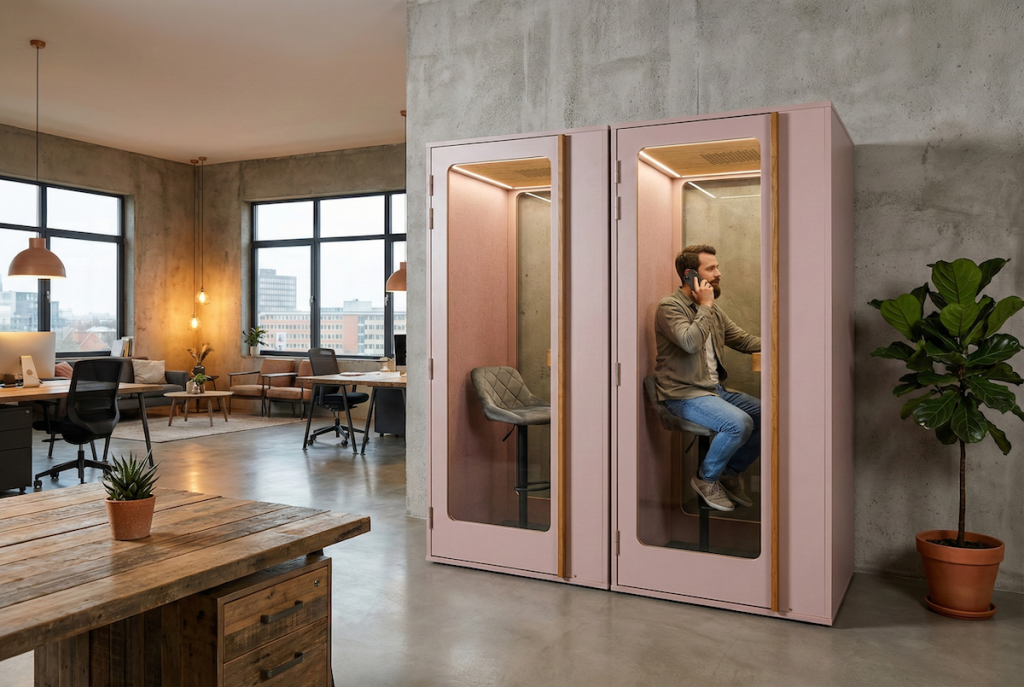
Flexible Working Awareness Day is an annual event (usually held on 21st June), and is a great opportunity to reassess how your team works, attract better talent, and show your employees that you actually listen.
But flexible working practices don’t have to be something that you think of just for one day – and you don’t even need a big HR department or a fancy wellbeing budget to get involved and carry the momentum well beyond it.
Why Embrace Flexible Working?
Flexible working is no longer a nice-to-have perk. Employees are now actively looking for workplaces that recognise the realities of modern life.
Whether that’s juggling the school run, looking after elderly parents, managing a health condition, or just wanting to skip a soul-crushing commute to find a better balance, life happens outside the 9 to 5.
And this isn’t a one-way street. The business wins too. Here is what’s in it for employers:
- Happier, healthier teams: Giving people control over their time reduces burnout and boosts morale.
- Keeping your best people: Staff are far less likely to look elsewhere if their current role fits seamlessly around their life.
- A boost in productivity: Trusting people to work when and where they are most effective usually means they get more done.
- Fewer sick days: Flexibility makes it easier for staff to manage their health before things reach a breaking point.
- Cast a wider net: You can recruit top talent from across the country, not just within a commutable distance of the office.
- A brand people love: Being known as a progressive, empathetic employer does wonders for your reputation.
Flexible Working Awareness Day is the perfect occasion to pause and look at how you operate. It’s a great time to ask: are our current setups genuinely working for the business and our people? Because when you get that balance right, everyone reaps the rewards.
What Counts as Flexible Working?
Flexible working doesn’t just mean working from your spare room. It’s actually about how and when people work, not just where.
Options include:
- Flexible start and finish times
- Compressed hours
- Part-time working
- Job sharing
- Hybrid working arrangements
- Annualised hours
- Remote working
- Term-time working
- Staggered shifts
How to Prepare for Flexible Working Awareness Day
To get the most out of the day – or any other day you decided to reassess your flexible working approach – it’s worth getting a bit of groundwork done in advance.
Start With a Bit of Honest Reflection
Before you do anything else, take stock of where you actually stand on flexible working.
Do you offer flexibility in name only? For instance, is there an unspoken culture where people technically can work from home but quietly feel like they’re being judged for doing so? Or is flexibility genuinely baked into how your team operates day-to-day?
A great place to start is simply jotting down a quick list of what you currently offer (like flexitime or hybrid working) versus options you haven’t tried yet, such as compressed hours or job shares.
Gather Employee Feedback
This matters more than anything else on the list. Before the day arrives, find out what your team actually thinks. You could bring it up in a team meeting or during a 1-to-1. Ask them: Does how we work actually work for you?
Getting some honest feedback will tell you far more about your business than any industry report ever could.
If you have a bigger team, a quick anonymous pulse survey can be useful. Keep it brief, five questions max, and actually do something with the results.
A few questions you could ask:
- Where and when do you feel you get your best work done?
- What kind of flexibility would make the biggest difference to your life outside of work?
- What frustrates you about our current setup?
- Is there anything stopping you from asking for a different working pattern?
Get Your Policies in Order
If you’ve been meaning to formalise your flexible working policy but haven’t quite got round to it, use the run-up to Awareness Day as your deadline.
Under UK employment law, employees have the right to request flexible working from day one of employment, rather than having to wait 26 weeks. As an employer, you’re required to consider requests in a reasonable manner and give a final answer within two months.
Crucially, this doesn’t mean you have to say yes to every single ask. There are completely valid business reasons for turning a request down (like extra costs or a negative impact on performance).
However, having a clear, written process shows your team that you take their requests seriously. Acas has a free template on their website if you’re starting from scratch.
Practical Ways to Get Involved
You don’t need to go overboard, but doing something visible signals to your team that this matters to you.
A few ideas that won’t cost much:
Host a short team discussion
Set aside just 30 minutes for an open team discussion about how you all work. Ask what’s going well and what could be tweaked. The trick here is to frame it as a genuine listening session, not a corporate tick-box exercise.
Share something on social media
If you’re on LinkedIn or Instagram, share a post about your flexible working culture, or your plans to build one. It’s a great way to boost your employer brand. Just remember to use the #FlexibleWorkingAwarenessDay hashtag.
Share a flexible working success story
If someone on your team already uses a flexible setup that works brilliantly, ask if they’d mind sharing their experience internally. Real-life examples always land so much better than dry policy documents.
Run a “try something new” day
If your team is usually office-bound, let everyone work from wherever they fancy on the 21st. It costs absolutely nothing, requires zero effort, and lets people experience a completely different rhythm for the day.
Host a virtual “coffee & catch-up”
For teams that are already fully remote or rarely in the same place, set up a casual 15-minute optional video call just to chat about non-work stuff. It helps maintain that office camaraderie and tackles the isolation that can sometimes come with remote working.
Create a “work-life balance” ideas board
Set up a digital board (like Miro or Padlet) or a physical whiteboard in the office where staff can anonymously share their top tips for switching off after work, managing stress, or juggling family life.
Plan for What Happens Next
This is where most businesses drop the ball. Awareness Day comes and goes, a few LinkedIn posts get a handful of likes, and by July everything is back to exactly how it was before. To stop that from happening, you need a plan for what comes next.
A few practical steps to keep the momentum going:
Put a review date in the diary
If you’ve made any promises or agreements on the day, even casual ones, set a date to check in on how they’re actually working out. Three months down the line is usually the sweet spot.
Trial something new
If you’ve been curious about the four-day week, “Early-Finish Fridays,” or introducing core hours (where everyone needs to be available between, say, 10 am and 3 pm, but can choose their hours outside of that), just pick one and give it a month’s trial. Test it, see what happens, and ask the team how it felt.
Train your managers
Make sure your team leaders or line managers understand how to handle flexible working requests fairly and consistently. Nothing causes office resentment faster than inconsistency, where one manager is incredibly relaxed and another is strictly by-the-book.
A Final Word
Don’t let flexible working be something you pay lip service to and then don’t act upon it. Use your time to shake things up and kickstart a better way of working. Take a hard look at your current setup, start open conversations with your team, and find practical ways to build a more adaptable, resilient workplace.