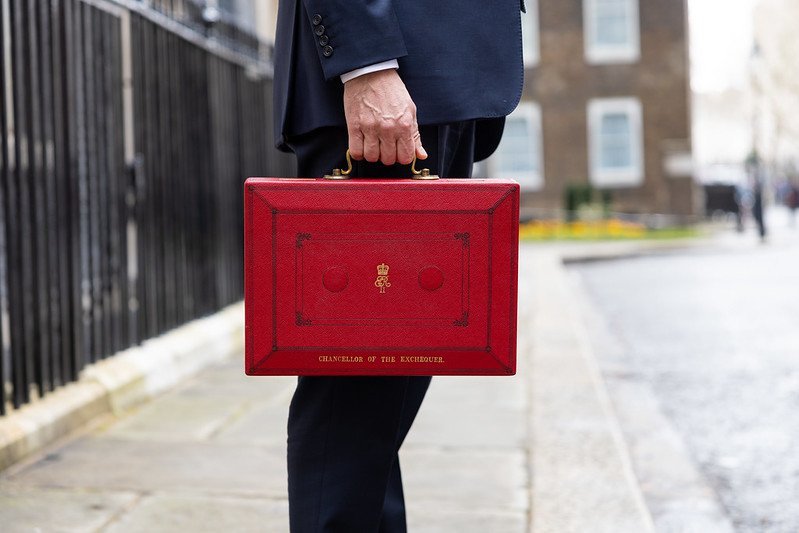
John Healey says this week’s Budget will back Britain’s “bloody-minded entrepreneurs”. Build a business, sell it, and reinvest. That’s exactly what the government wants founders to do. But the current framework is stacked against those same entrepreneurs, and if we were holding the pen on this year’s budget, there are five areas we’d focus on to give business owners the headroom to succeed.
1. Fix the cliff edge on Business Relief
Business Relief only covers qualifying business assets, so once a sale completes and the owner is holding cash, the relief stops. The replacement property rule (section 107 of the Inheritance Tax Act 1984) doesn’t change that, because it only applies if the money is reinvested elsewhere. While the assets are cash, they’re no longer a business asset.
If an owner dies before reinvesting, the estate faces up to 40% tax on the proceeds. Section 113B already allows for this in one case: where someone sells a business they were given, and the person who gave it to them dies within seven years of the gift, the relief stays in place if another qualifying business is bought within three years of the sale. We’d like to see the government give an owner’s initial sale a three-year grace period, long enough for them to decide what to do with the money and act on it.
2. Reverse the changes to Business Asset Disposal Relief
Business owners who sell are well placed to reinvest into the next generation of UK companies, but the current tax system makes it harder than it should be. Since April 2026, the Business Asset Disposal Relief has been applied at 18%. The gain is taxed in the year of sale, regardless of what the founder does with the money next.
Until 2020, a founder selling their business would pay 10% tax on up to a £10 million sale, but that limit was then cut to £1 million, and the rate of taxation has climbed from 10% to 18%. And at 18%, the entrepreneurs’ “relief” now matches the standard Capital Gains Tax rate that is paid by basic-rate taxpayers, meaning founders have far less reward for the risks they have taken in building a company.
Raising the limit back to somewhere between £5 million and £10 million, taxed at 10% to 15%, would give founders confidence that the UK takes their contributions seriously. The current system risks killing that entrepreneurial spirit altogether.
3. A five-year lock on CGT and IHT
The Chancellor has reportedly already rejected calls to raise Capital Gains Tax, but that’s just a starting point for supporting entrepreneurs, and HMRC’s own estimates show why we need to go further. Raising the higher CGT rate by 10% would cut receipts by around £3.6 billion, largely because entrepreneurs would hold off on selling or move their assets abroad. That reaction is shaped just as much by economic uncertainty as the rate itself.
Business owners can plan exits that take years, but today’s Budget will be roughly the twentieth fiscal event since 2016. If the rules change every six months, no business owner can plan for the long term.
One way the Chancellor could prove to business owners that have weathered inflation, taxation changes, complex regulatory shifts, and trade adjustments is to hold Capital Gains Tax and Inheritance Tax rates for five years. That would cost the Treasury little up front and show that the Chancellor backs entrepreneurs under economic pressure.
4. Restoring CGT indexation
The Chancellor should also restore indexation, so that founders pay tax only on the real growth in their business’s value. The indexation allowance was frozen for individuals in 1998, meaning someone who has spent 20 years building a company now pays capital gains tax on the portion of their “gain” that simply reflects rising prices. With inflation climbing again this year, the unfairness inherent in such a system is only getting worse.
5. Protect past decisions made in good faith under old rules
As business owners, we make decisions about the future of the business years in advance based on the best information we have at the time. Those can be based on how the business is structured, when shares are passed on to the next generation, and on the tax rules in place at the time. When rules shift from Budget to Budget, those carefully made plans can collapse, and entrepreneurs suffer.
A commitment that future changes will only apply to new decisions, leaving existing arrangements unchanged, will keep entrepreneurs here and future entrepreneurs willing to build in Britain. Founders learn from one another, and business advice is passed between generations, so the experiences of today’s entrepreneurs will influence the next.
If the people who have already built businesses in Britain feel they would’ve been better off building them elsewhere, and pass that feeling on, our reputation will be far harder to repair than any single taxation rule.
Ultimately, what founders need from this Budget is a set of rules that hold steady long enough to build a stable business, see it through to a sale, and have the confidence to go again, reinvesting the proceeds back in Britain.