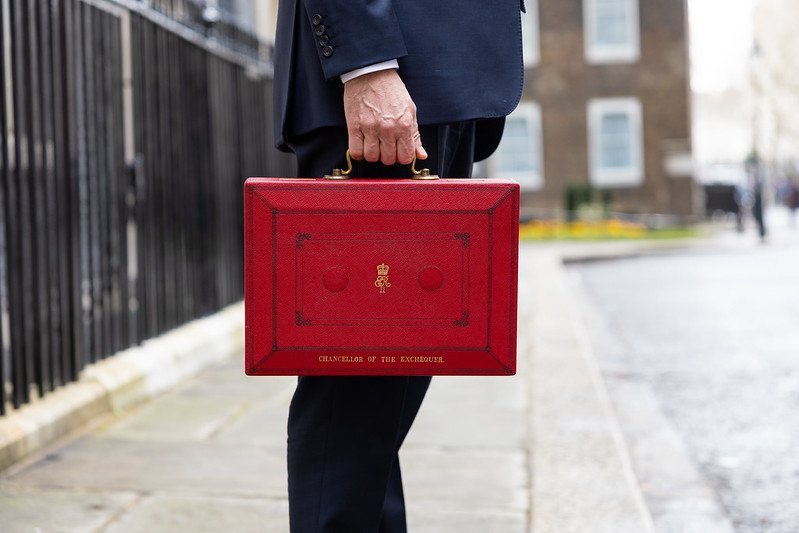
SMEs want the chancellor to help them with energy costs, with high energy bills topping their list of financial concerns above economic uncertainty and labour, operations and supplies costs. Energy costs are also leading to headcount cuts and stopping growth and hiring, says new research.
When Flagstone, a UK online cash deposit platform, asked SMEs what they most want to see from the chancellor, 30% asked for energy costs support. This came second only to a reduced tax burden, (43%)
It also found that 37% of businesses said energy costs ranked in their top three financial challenges and topped the list in nine of the UK’s 12 regions. This was followed by economic uncertainty (30%), labour costs (28%), high operating costs (26%) and material and stock costs (25%).
A further 32% of financially affected SMEs said high energy prices had led to reduced hiring plans or headcount, while 31% have changed or paused growth plans, and 30% have delayed strategic decisions.
In a better financial climate 38% of SMEs said they would hire more staff, while 36% would invest in equipment, premises and technology and 33% would expand into new markets, products and services and would increase wages or improve employee benefits. Investing in staff training and skills development and taking on new clients and contracts ranked lower at 29%.
Arman Tahmassebi, CEO of Flagstone explained that energy costs aren’t the only financial pressure facing SMEs, with mounting labour costs, National Insurance, business rates and material and operational costs featuring too.
“Energy pressure isn’t happening in isolation,” he stated. “Another sustained energy shock risks becoming the straw that breaks the camel’s back for businesses already operating on tight margins.”
Flagstone created the research by collating responses from 1,000 UK SMEs in July 2026.
Energy prices continue to spike as oil prices remain high, at around $100 a barrel amid ongoing disruption in the Strait of Hormuz.